Slate Roofs Built to Last Centuries
Historical Preservation in Salem for properties with original slate roofing requiring period-accurate restoration
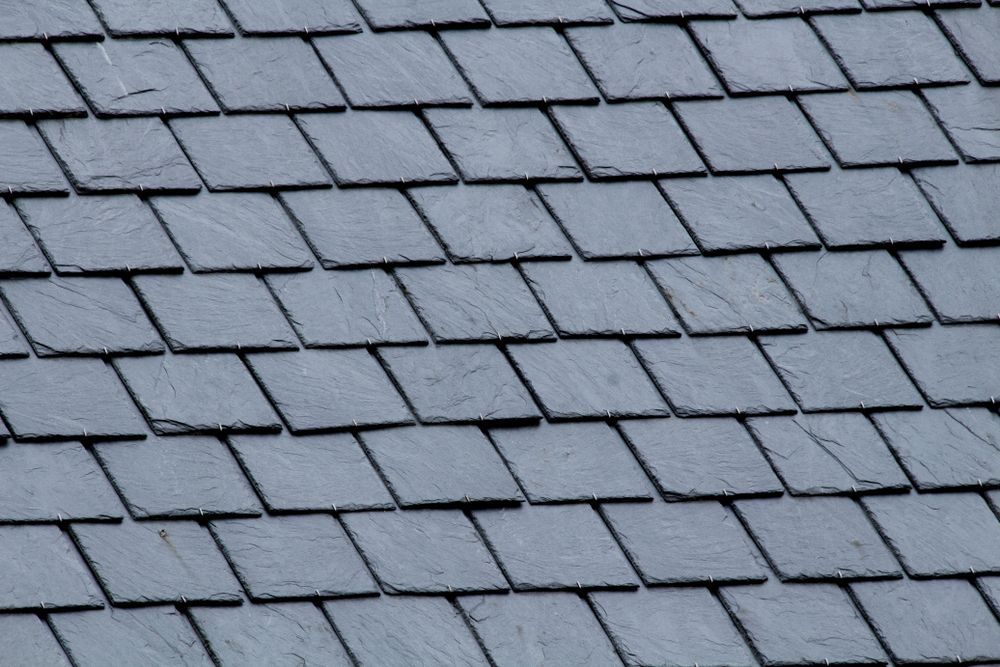
Original slate roofs on historic buildings develop problems that standard roofing techniques often make worse. Shea Roofing Company handles historical preservation projects in Salem that maintain the structural integrity and visual authenticity of period slate installations. When slate tiles crack, lift, or lose flashing around dormers and chimneys, the repairs must match the original materials and installation methods to preserve both function and historical value.
This work involves sourcing quarry-matched slate that replicates the thickness, texture, and color variation of tiles installed decades or centuries ago, then installing them using traditional copper nailing and flashing techniques. The process requires documenting existing installation patterns, identifying which tiles can be salvaged and repositioned, and replacing only what cannot be repaired while maintaining the roof's original appearance and drainage characteristics.
Schedule a site assessment to document your slate roof's current condition and preservation requirements.
What Proper Slate Preservation Requires
Preservation work starts with a detailed survey that photographs and maps every section of the existing roof, noting slate size, thickness, color variation, installation pattern, and the condition of underlying felt and battens. Tiles are carefully removed by hand to avoid breakage, sorted by condition and position, and stored for reinstallation in their original locations when possible. Copper nails replace the original iron fasteners that have rusted, and any wood decking that shows rot or weakness gets replaced with period-appropriate materials before tiles go back into place.
Once the work is complete, you see a roof that matches the original installation in every visible detail while benefiting from modern weatherproofing beneath the slate layer. Water no longer enters around chimneys or penetrates through cracked tiles, the roofline appears uniform without sagging or irregular sections, and the color and texture blend seamlessly with undisturbed portions of the roof. Shea Roofing Company ensures that replaced sections age visually alongside the original slate rather than standing out as obviously new.
The scope of preservation work depends on how much of the existing slate remains serviceable and whether the building requires compliance with historical commission standards. Some projects involve replacing only damaged tiles and upgrading flashing, while others require complete tear-off and reinstallation to address structural issues in the decking or framing. Properties listed on historic registers typically need documentation of materials and methods for approval before work begins.
Questions Before Starting Your Project
Property owners restoring historic slate roofs in Salem often need clarification on materials, timelines, and regulatory requirements before moving forward with preservation work.
What happens when the exact slate type is no longer quarried?
Salvaged slate from demolition projects or tiles from quarries with similar geological composition provide the closest match in color, texture, and weathering characteristics, though slight variation is typical even in original installations.
How is flashing handled around chimneys and dormers on a preserved roof?
Copper flashing replaces deteriorated lead-coated or galvanized metal using traditional step-flashing and counter-flashing techniques that match the original installation geometry while providing superior longevity and weather resistance.
Why does slate preservation cost more than standard roofing?
The work requires hand removal and sorting of existing tiles, sourcing quarry-matched replacement slate, custom fabrication of copper flashing, and labor-intensive installation that follows period-specific methods rather than modern efficiency-focused techniques.
When should preservation work happen to minimize interior damage?
Repairs should occur as soon as leaks develop or tiles show cracking, since water intrusion deteriorates the wood decking and framing beneath the slate, turning a tile replacement project into a structural rebuild.
What documentation do historical commissions in Salem typically require?
Most requests include material samples showing slate type and thickness, installation method descriptions with fastener specifications, photographs of existing conditions, and drawings that illustrate flashing details and any proposed changes to roofline profiles.
Shea Roofing Company works with property owners and historical commissions to develop preservation plans that meet regulatory standards while addressing functional roof failures. Arrange a consultation to review your building's specific slate condition and compliance requirements.