Roofing That Protects Architectural History
Historical Homes/Preservation Projects in North Shore for properties requiring conservation commission approval and period-appropriate roofing methods
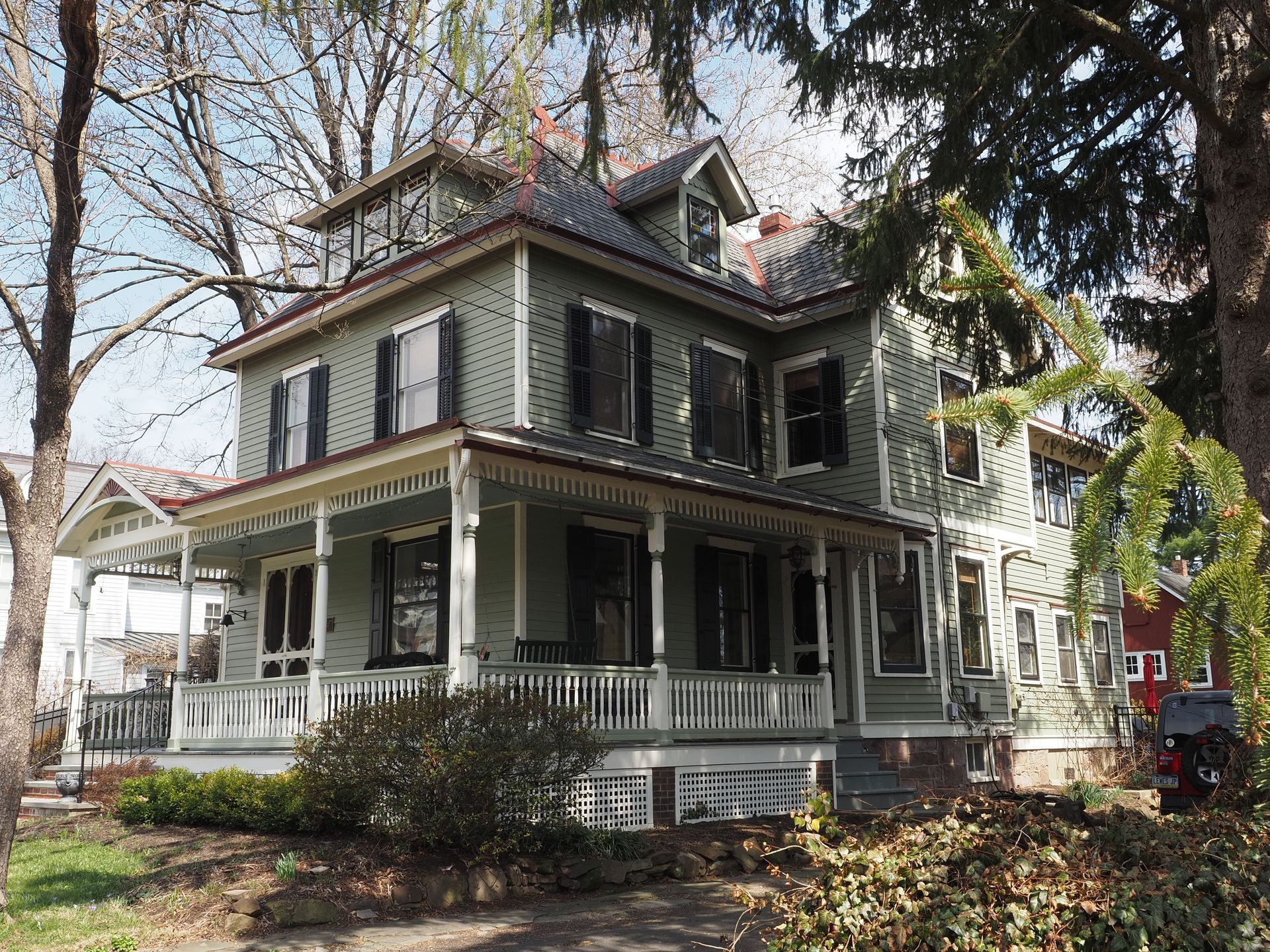
Shea Roofing Company restores and replaces roofs on historical homes throughout northeastern Massachusetts, working directly with local conservation commissions to ensure compliance while protecting the structural integrity of period architecture. For properties within designated historic districts, roofing work requires both preservation expertise and familiarity with municipal approval processes that govern material selection, installation methods, and visual consistency. Bill Shea has built extensive relationships with historical commissions across the North Shore over more than five decades, streamlining approvals while maintaining the architectural character that defines these protected structures.
Historical roofing projects involve matching original materials, replicating installation techniques that differ significantly from modern methods, and addressing deterioration patterns common in older construction—often including inadequate ventilation, failed flashing around chimneys and dormers, and substrate damage from decades of moisture exposure. The work requires sourcing period-appropriate materials, understanding how roofing systems were originally constructed, and documenting every step for commission review.
Schedule a property evaluation to review historical commission requirements and assess your roof's condition before filing for approval.
What Proper Historical Restoration Requires
Preservation roofing begins with detailed documentation of existing conditions, including photographs, material samples, and measurements that historical commissions require for permit applications. Shea Roofing Company coordinates directly with entities including the Beverly Historic District Commission, Salem Historic Commission, Marblehead Old and Historic District Commission, Manchester-by-the-Sea Historic District Commission, Ipswich Historic District Commission, Hamilton Historic District Commission, Gloucester Historic District Commission, Essex Historical Commission, Boxford Historic District Commission, Andover Preservation Commission, Peabody Historical Commission, and Topsfield Historic District Commission to ensure material specifications and installation plans meet preservation standards before work begins.
Once approvals are secured, you'll notice roofing that matches the original profile, texture, and color while addressing the underlying structural issues that threatened the building. Properly restored historical roofs eliminate leaks, protect interior plaster and woodwork from further water damage, and maintain the visual consistency that preservation commissions mandate for district properties. The finished roof integrates seamlessly with surrounding period architecture rather than standing out as an obvious modern replacement.
Historical projects often involve custom flashing fabrication, slate or wood shingle matching, and repairs to decorative elements like finials or ridge caps that require specialized fabrication. The timeline extends beyond standard roofing due to commission meeting schedules, material sourcing for discontinued products, and installation methods that prioritize historical accuracy over speed.
Questions Before Starting Your Project
Restoring a historical roof involves navigating preservation requirements while solving structural problems common in older construction. These answers address the approval process and what the work entails.
What documentation do historical commissions require before approving roofing work?
Commissions typically require photographs of existing conditions, material samples or specifications showing period-appropriate replacements, and drawings that illustrate how the new roof will match the original design. Shea Roofing Company prepares these materials and presents them at commission meetings, using established relationships with boards across the North Shore to address questions and expedite review timelines.
How does historical roofing differ from standard residential roofing?
Historical roofing requires matching original materials like slate, wood shingles, or standing seam metal rather than using modern asphalt products, and installation techniques must replicate period methods even when contemporary approaches would be faster. You're paying for material sourcing, custom fabrication, and the expertise to work within preservation guidelines that protect architectural integrity.
When should I start the approval process before scheduling roofing work?
Begin at least three to six months before your desired installation date, as commission meetings occur monthly and material sourcing for historical products adds lead time beyond standard roofing supplies. Early planning allows time for revisions if commissions request specification changes or additional documentation.
Why do historical roofs often require substrate repairs beyond what modern homes need?
Older homes frequently lack proper roof ventilation, use solid wood sheathing that deteriorates differently than plywood, and have settled or shifted framing that creates uneven planes. Addressing these issues during restoration prevents future failures and ensures the new roofing materials perform as intended rather than concealing structural problems.
What happens if the existing roof contains materials that are no longer manufactured?
Shea Roofing Company sources reclaimed materials, works with specialty suppliers who reproduce historical products, or presents alternative materials to commissions with documentation showing they match the visual and functional characteristics of the original. Commissions evaluate alternatives based on how closely they replicate the historical appearance rather than requiring exact material replication when originals are unavailable.
Shea Roofing Company has maintained working relationships with historical commissions across northeastern Massachusetts for over fifty years, providing the institutional knowledge that helps preservation projects move from planning to completion. Arrange an on-site consultation to review commission requirements specific to your historic district and assess the scope of restoration your property requires.